What Is Influencer Marketing and How Does It Work in 2026?
2026 is nearly here, be ready for the trends ahead!

Jennifer Hobson
Influencer marketing first emerged in the early 2000s when mommy bloggers began sharing their personal stories, tips, and product recommendations online. Then came the rise of social media platforms like Instagram and TikTok.
Today, influencer marketing’s global market value is set to reach over $30 billion.
As the years rolled by, there have also been numerous changes in influencer marketing. In 2026, this type of marketing no longer centres on popular creators just endorsing products. Now, it’s a nuanced, tech-driven ecosystem rooted in authenticity, community engagement, and performance metrics.
What’s New & Different In Influencer Marketing?
In some ways, influencer marketing in 2026 follows the same fundamental structure as in previous years. Brands still collaborate with influencers who have built trust and credibility with specific audiences in their niche. These influencers range from mega-celebrities to SHOUT’s incredible micro and nano creators, and their content is used to subtly or explicitly promote products, services, or brand values.
However, with advancing technology and shifting consumer expectations, several components of influencer marketing have grown more sophisticated, and the way this impacts current trends is something you need to know about.
How To Make Influencer Marketing Work For You In 2026
To get the best ROI in 2026, your influencer marketing strategy needs to do the following:
Use Data-Driven Campaign Planning
Your influencer campaigns should be backed by a data-driven strategy. Data is now so easy to obtain and analyse, and you can use it to define your objectives, pinpoint your ideal target audience, and create campaigns that complement your brand voice.
You can do this in the following ways:
Audience personas: Use AI to create detailed buyer personas focusing on demographics and behaviour patterns like browsing habits or brand affinities.
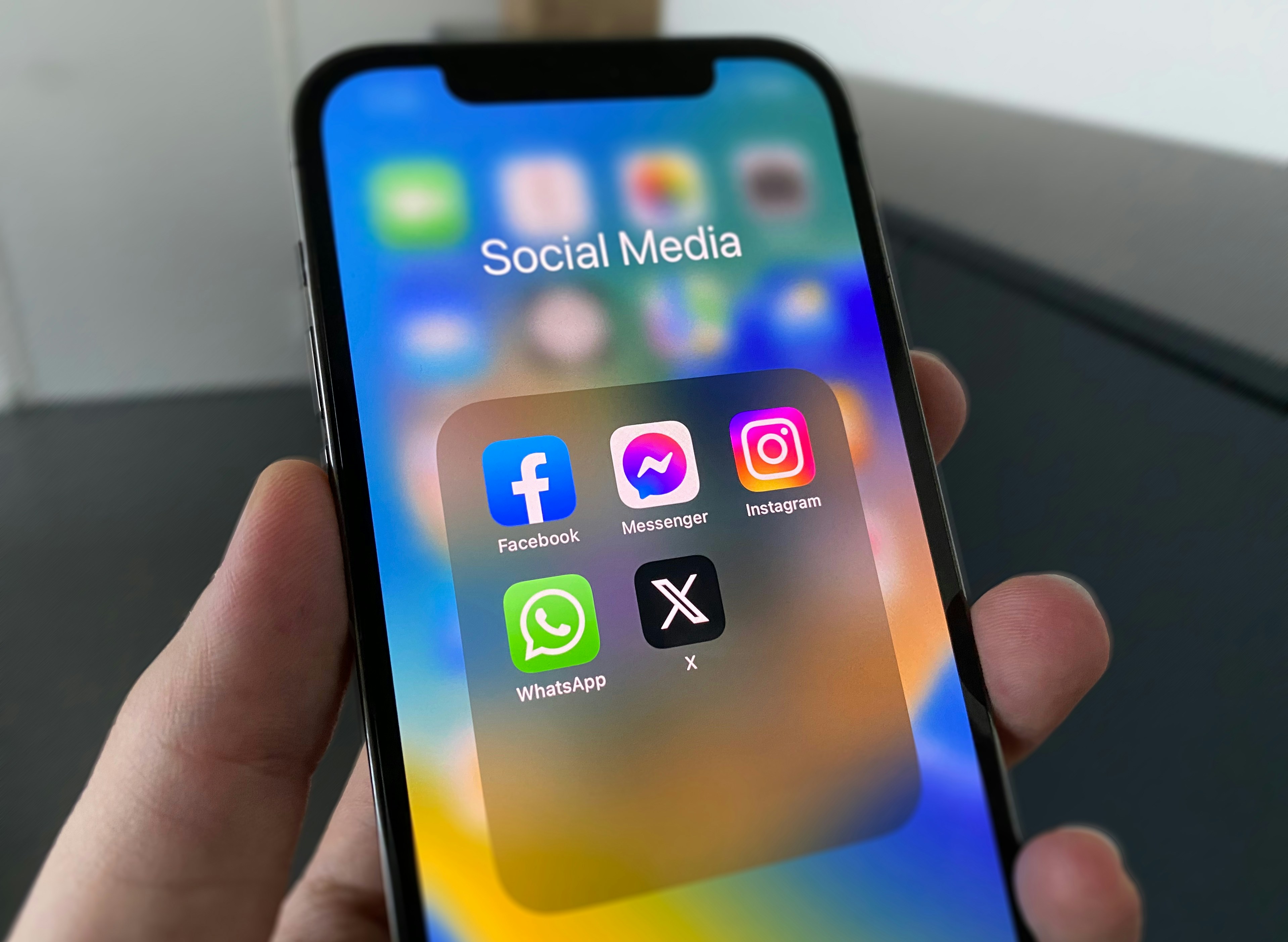
Platform-specific goals: Select the right platform for your objectives. TikTok is favoured for virality, Instagram for lifestyle branding, YouTube for education, and LinkedIn for B2B influence.
Tone and Content Fit: Analyse past content from potential influencers to ensure their tone, visual style, and messaging align with your brand values. Look at how they speak to their audience, how they present products, and whether collaborations would feel seamless and authentic to your audience.
Streamline Influencer Selection and Audience Targeting
Finding the right influencer for your brand has always been crucial, and in 2026, influencer discovery tools now rely heavily on AI-driven platforms that go beyond follower counts. These tools analyse:
Engagement quality – prioritising meaningful comments over vanity likes
Audience authenticity – filtering out bots and ghost followers
Niche alignment – assessing tone, content style, and subject matter fit
Geo-targeting and language – ensuring regional and linguistic relevance
This approach makes it far easier for your brand to use influencer marketing platforms to precisely match influencers with your ideal audience. This ensures you reach the niche target audience you’re looking for and can connect with them in a way that increases conversions.
Update Content Creation and Formats
Whereas influencer content was previously sponsored posts and stories, audiences now look for different types of current, relatable content in a variety of formats.
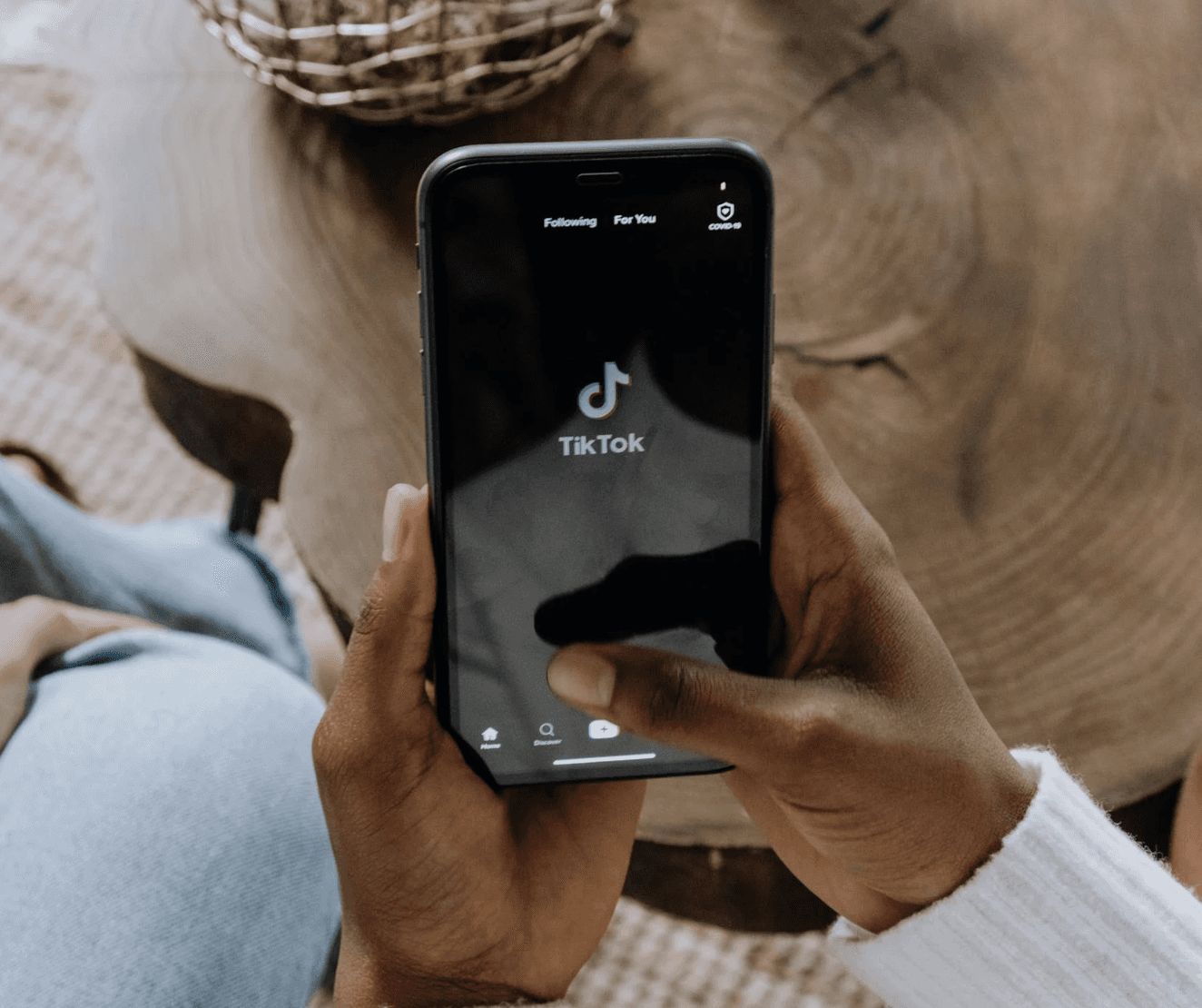
Long-form video is making a major comeback, with educational, behind-the-scenes, and storytelling content thriving on platforms like TikTok, which now supports extended videos, YouTube, and even X (formerly Twitter).
Interactive formats such as polls, live streams, AMAs, and product reviews shaped by real-time audience input are also growing in popularity, helping creators form deeper connections. Additionally, influencers are increasingly embracing mixed-media storytelling, combining podcasts, newsletters, and short- and long-form videos into cohesive content series.
Last but not least, AI-assisted creativity is streamlining production. Many creators are using generative tools to brainstorm, script, or co-develop content to boost their output without diluting their authenticity.
Stay Compliant With New Regulations
In 2026, influencer marketing is facing stricter regulation across the UK and the EU. The UK’s Advertising Standards Authority (ASA) and Competition & Markets Authority (CMA) now enforce clearer labelling and any ads must be disclosed upfront using terms like #ad or “paid partnership.” Hidden or vague tags are no longer acceptable.
Influencers promoting financial products must also comply with Financial Conduct Authority (FCA) guidelines, ensuring full transparency and regulatory approval. Plus, age-restricted content, such as alcohol or high-fat, salt, and sugar (HFSS) products, cannot be promoted to under-16s.
With the EU’s Digital Services Act, transparency and audience protection are now an essential component of influencer marketing.
Diversify for Emerging Platforms
While Instagram, TikTok, and YouTube remain dominant, brands are looking beyond traditional influencer marketing platforms to decentralised and creator-owned spaces like token-gated communities, blockchain-driven content hubs, or private subscriber groups.
These spaces are emerging as trusted alternatives that encourage more intimate influencer-follower relationships. However, each platform also requires a tailored strategy, as what works on one may flop on another.
With this diversification, many brands are turning to an influencer marketing agency to help manage multi-channel partnerships rather than relying on single-platform deals. Doing so is a great way to expand your reach and ensure you have the right content on the right channel.
Rethink ROI Tracking and Analytics
Return on investment now encompasses more than just monetary value or reputational impact. Instead, it’s measured by a mix of quantitative data and qualitative insights to gauge effectiveness. These insights offer a broader picture of your campaigns as quantitative data provides numerical measurements of what is happening, while qualitative insights explain why it is happening.
Key performance indicators to look for include:
Conversion rates tracked via unique affiliate codes, landing pages, or QR codes.
Attribution models that credit influencers, even if the sale happens later.
Sentiment analysis that gauges emotional resonance and brand affinity from audience reactions.
Community growth that assesses long-term value beyond single campaigns.
Ready To Update Your Influencer Marketing Strategy?
It’s clear that in 2026, influencer marketing has evolved far beyond its early days of mommy bloggers and casual endorsements. Thanks to AI advancements, data-driven insights, and decentralised platforms, it’s transformed into a sophisticated, billion-dollar powerhouse that forms an integral part of brand communication.
By capitalising on this power, you can meet your audience exactly where they are, turning influence into lasting impact and measurable growth.
Need help doing this? Talk to SHOUT to connect with creators who fit the modern mould.
Featured Posts