Your Biggest Influencer Isn't Worth It Anymore
Follower count stopped predicting performance a while ago. Here's why micro and nano creators are now outperforming macro influencers on engagement and trust, and what that means for how brands should actually be spending their creator budgets in 2026.
Jennifer Hobson
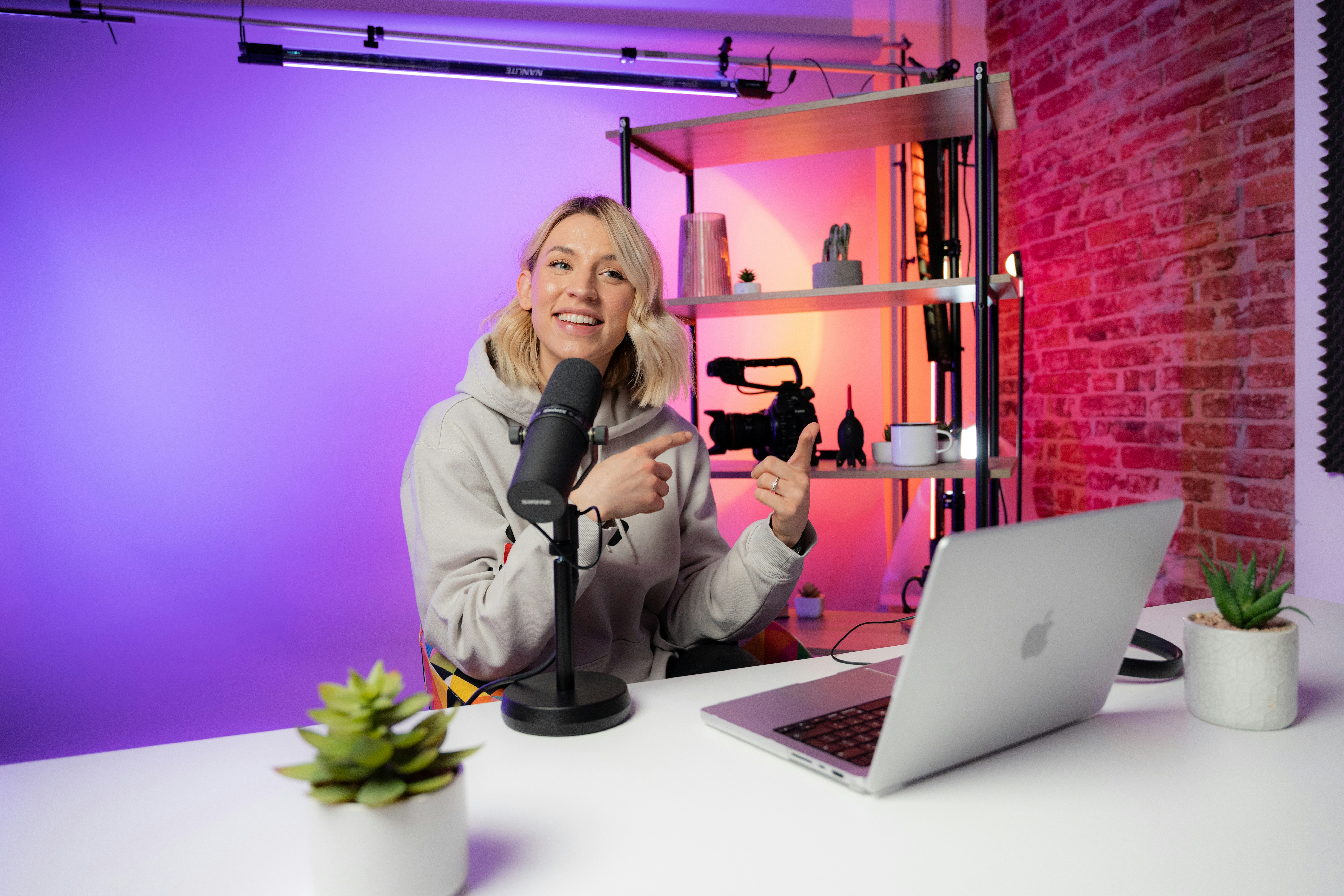
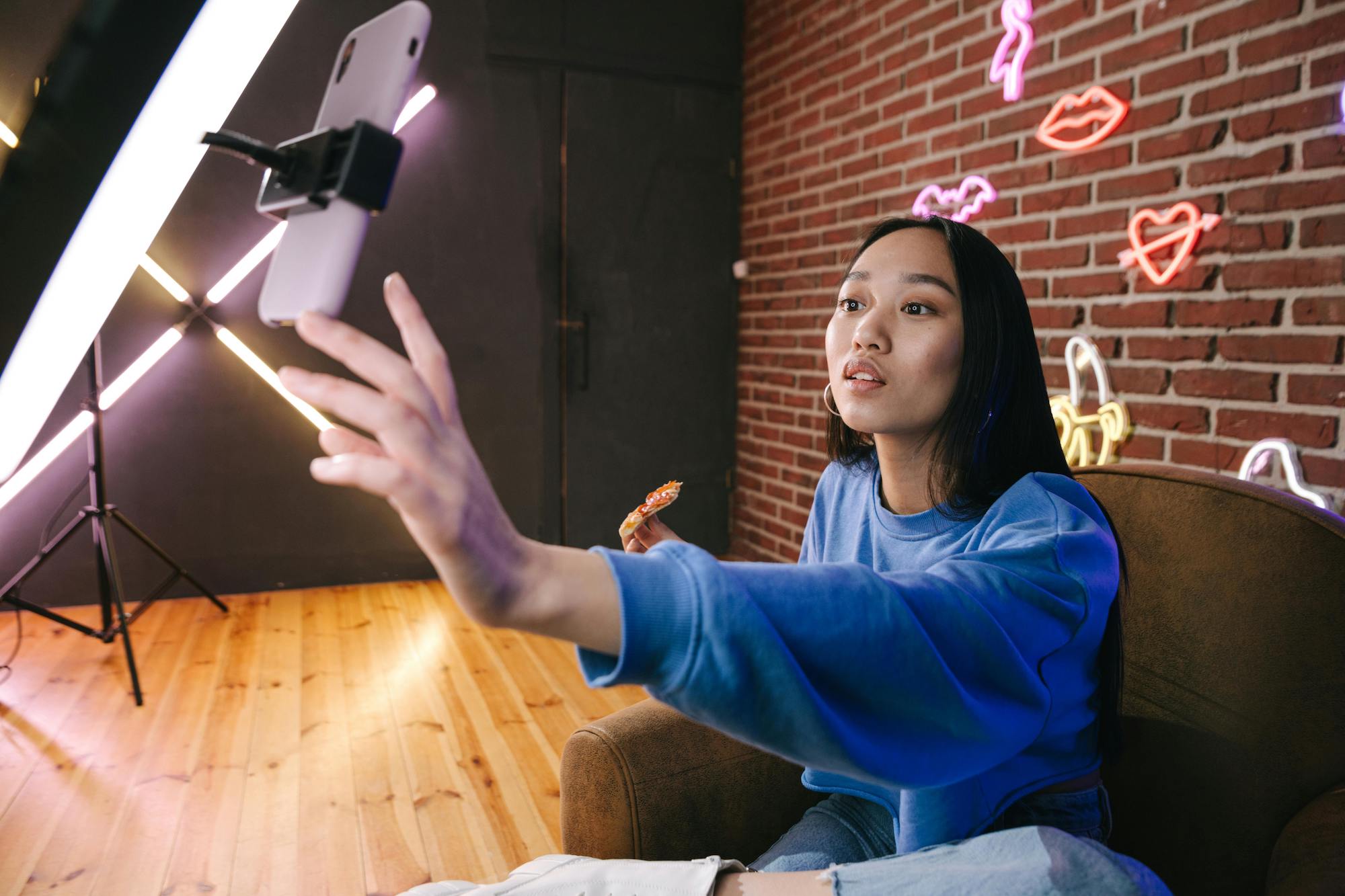
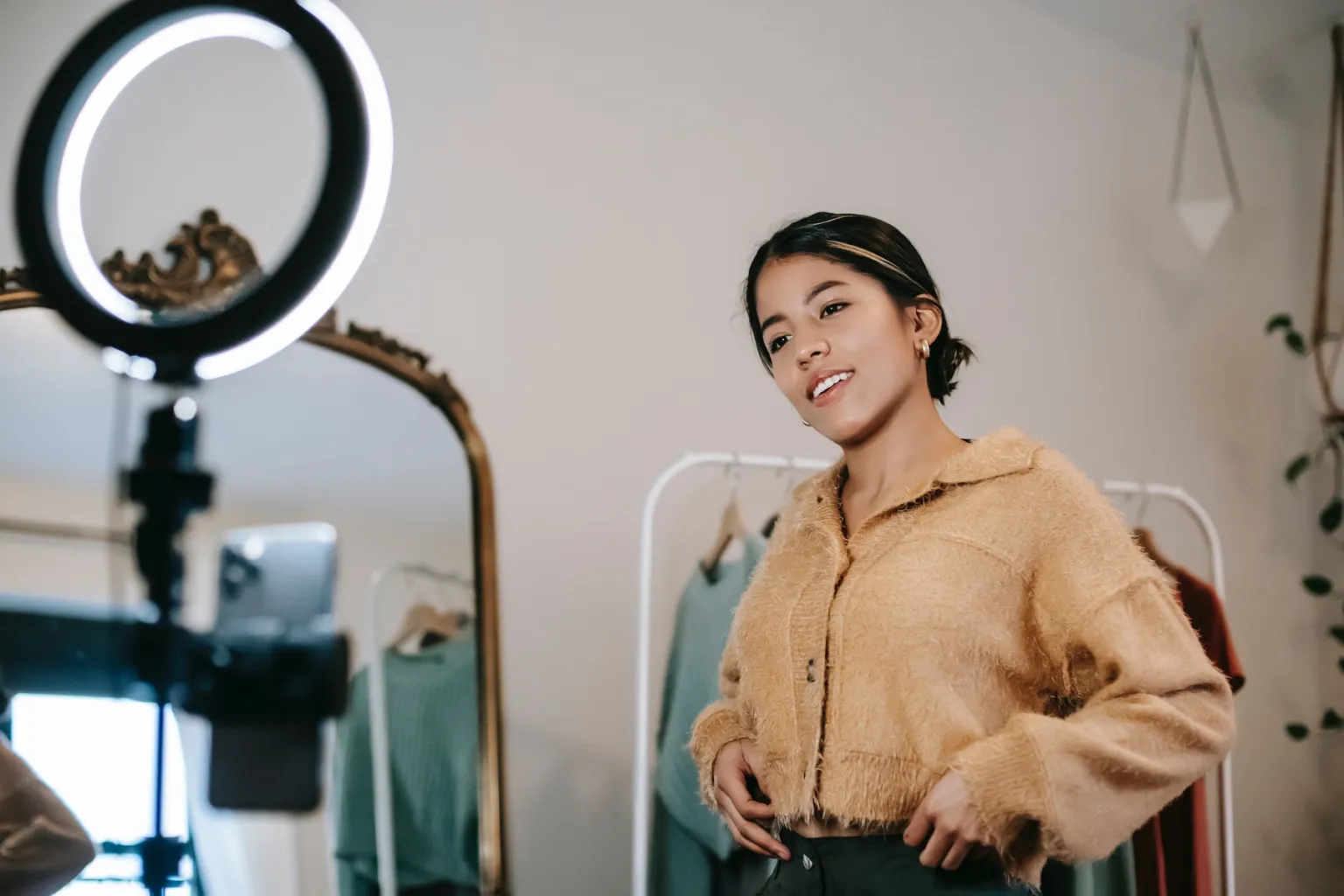
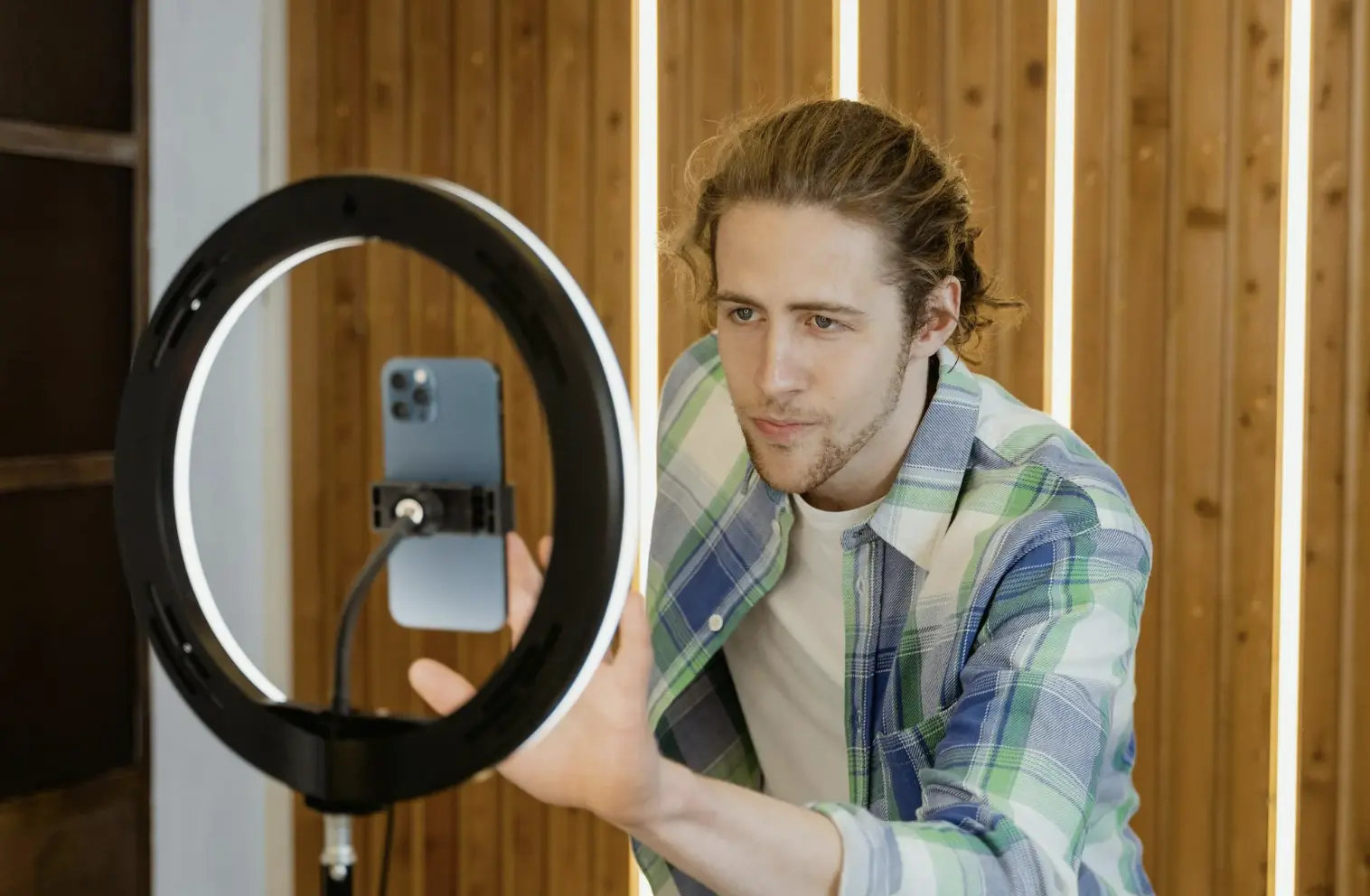
There's a good chance the influencer you just paid six figures for is underperforming a creator with 8,000 followers and a ring light from Amazon.
That's not a hot take. It's just the maths right now. And if your 2026 budget still looks like it did in 2022, with the lion's share going to one or two big names, it's time to look at what's actually happening to your ROI.
The Maths is Simple
Here's the number that should make every media buyer sit up: micro-influencers are now delivering 3 to 4x higher engagement per dollar spent compared to macro influencers. Not a marginal edge. A multiple.
And it's not just about likes and comments. It shows up in sales too. 60% of consumers say they trust creators who feel relatable and authentic far more than they trust celebrity endorsers. A fitness micro-creator recommending a supplement to her 12,000 engaged followers can outsell a superstar with three million disengaged ones, because her audience isn't watching a celebrity do a paid post. They're watching someone who looks and sounds like them.
That's the whole game with UGC and micro-creator content: it doesn't read as advertising. It reads as a recommendation from someone you'd actually trust. And audiences have gotten very, very good at telling the difference.
The squeeze is already happening
This isn't a future trend, it's a budget reallocation happening right now. Marketers are visibly shifting spend away from the mid-tier "lifestyle influencer" category (the creators with decent followings but no real niche authority) and funnelling it towards micro and nano creators instead.
If you're still writing checks to influencers based on follower count as a proxy for impact, you're optimising for the wrong variable. Reach without relatability is just a bigger, more expensive version of the ad people are already scrolling past.
Proof it works: what we saw with Buffalo Wild Wings
We put this exact thesis to work with Buffalo Wild Wings' Pick 6 Meal for 2 campaign. Instead of anchoring the strategy around one big name, we built it around sound-led content and creator diversity, using "Let's Go Buffalo Wild" by T-Pain as the creative hook, and let a roster of relatively small creators bring the concept to their own audience in their own voice.
None of these creators were mega-influencers. What they had was relevance, trust, and a format (sound-led, TikTok/Reels-native) that let the same core idea land differently across different communities. The result was a campaign that felt native everywhere it showed up, instead of one polished ad running on repeat, and it drove real reach and engagement across both platforms.
That's the pattern brands should be chasing: not one big swing, but a portfolio of authentic voices all pointed at the same goal.
The catch nobody mentions
Here's the part that doesn't make it into the LinkedIn infographics: nano and micro-creator strategy is operationally harder than a single macro deal.
One influencer contract is one negotiation, one brief, one invoice. Twenty to fifty nano-creator relationships is twenty to fifty negotiations, briefs, usage rights conversations, and content reviews, multiplied across every platform you're running on. The ROI is real, but so is the coordination cost. Brands that try to run this in-house with the same resourcing they used for one big influencer deal usually end up either bottlenecked or underwhelmed by inconsistent content quality.
This is exactly why SHOUT Agency exists: building the creator network, managing the briefs, handling usage rights, and running the performance testing so the "authenticity at scale" part actually holds up in practice instead of becoming a logistics nightmare.
Spend smarter, not less
The takeaway here isn't "cut your influencer budget." It's that the old proxy, follower count, stopped correlating with performance a while ago, and the brands still buying based on reach alone are quietly subsidising worse results.
The brands winning right now are the ones treating creator selection like a performance channel: measured on engagement per dollar and trust, not just audience size. Micro and nano creators aren't the budget option anymore. They're the smart ones.
If you're rethinking how your creator mix should look for the rest of 2026, get in touch with SHOUT. We'll help you build the network and the strategy to back it up.

Featured Posts